
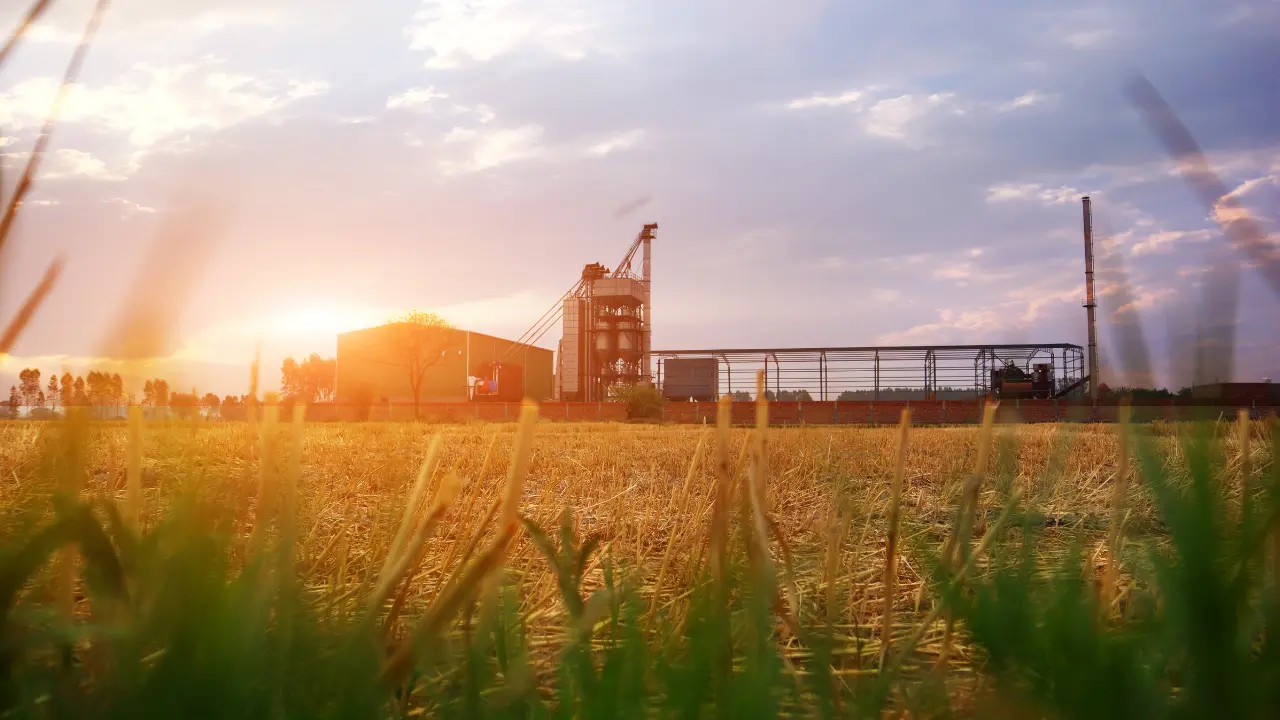
India is one of the world’s largest rice producers and consumers. Rice is our country’s staple food crop and is integral to the daily lives of millions of people. When farmers’ hard-earned rice is transformed into edible rice, the rice milling industry plays a crucial role.
In this blog, we will explore the market size of the rice milling industry in India, how it is growing, and the challenges it faces. We will also explore how many rice mills there are in India and which state has the highest number of rice mills.
Also Read: Types of Rice Mills, Machines & Factors to Consider Before Buying
What is the rice milling industry?
Rice milling is the process of removing the husk and husk from paddy to produce white rice. This industry not only produces rice for consumption, but also produces many useful products, such as rice husk, broken rice, and rice bran, which are used for oil extraction, animal feed, and biofuel production. Today, modern, fully automated rice mills are replacing old, traditional mills. These mills are equipped with advanced machinery, color sorters, and grading systems. Companies like Annapurna Agronics Machinery Pvt. Ltd. are playing a key role in this transformation, manufacturing high-quality and energy-efficient rice milling machines.
How Many Rice Mills Are There in India?
According to the latest data, there are over 80,000 rice mills in India. These range from small, traditional huller mills to large, automatic rice processing plants. Every year, these mills convert millions of tons of paddy into rice, meeting both the country’s domestic and export needs.
The rice mill industry provides employment to millions of people in rural areas and helps farmers get better prices for their crops.
Where are the most rice mills in India?
Several states in India are major centers of the rice milling industry. Some of the major states are:
- West Bengal – This state is known as the “rice bowl” of India. It has the largest number of rice mills.
- Punjab and Haryana – These states have modern and large-scale mills that also produce rice for export.
- Andhra Pradesh and Telangana – These states in South India are famous for high-quality rice such as Sona Masuri and Basmati.
- Chhattisgarh and Odisha – The number of rice mills here has grown rapidly in recent years.
These states have the highest number of rice mills in India, accounting for a large portion of the country’s rice supply.
Market Size of the Rice Milling Industry in India
India’s rice milling industry is valued at over US$250 billion. India is the world’s largest rice exporter, exporting rice to over 150 countries. Rising population, urbanization, and demand for packaged/branded rice have accelerated the industry’s growth. There is now a growing demand for automatic and semi-automatic machines in the rice milling industry to ensure faster production, better quality, and reduced losses.
Key Factors for the Growth of the Rice Milling Industry
The rice mill industry in India is growing rapidly due to several reasons:
Technological Upgradation: Modern machines have made work faster, more precise, and energy-efficient.
- Government Support: Central and state governments are providing subsidies for mill modernization and energy-efficient machinery.
- Export Growth: International demand for India’s basmati and parboiled rice is increasing, leading to the establishment of new mills.
- Changing Urban Lifestyles: People are now preferring packaged, ready-made, and high-quality rice.
- Private Investment: Large industrial groups are now investing in modern rice mill projects, increasing both production capacity and competitiveness.
Major Challenges of the Rice Milling Industry
This rapidly growing industry also faces some major challenges:
- Use of Outdated Machinery: Many small mill owners still use outdated equipment, leading to low production capacity and high costs.
- High Operating Costs: Electricity, labor, and transportation costs are constantly rising.
- Quality Standards: Small mills struggle to meet international quality standards.
- Environmental Impact: Proper disposal of mill waste and rice husk is a major challenge.
Lack of Technical Knowledge: Many mill owners lack access to new technology and training, preventing them from realizing their full potential.
The Future of Rice Milling in India
The future of the rice milling industry in India is bright. New technologies such as IoT (Internet of Things), AI (Artificial Intelligence), and smart milling systems are modernizing the industry. Mills are not only increasing production but also focusing on energy conservation and environmental protection.
Annapurna Agronics Machinery Pvt. Ltd. is leading this change, manufacturing high-quality, durable, and energy-efficient rice milling machines.
Conclusion
India’s rice milling industry is a vital part of our country’s food security and rural economy. Today, approximately 80,000 rice mills operate in India, and several states such as West Bengal, Punjab, Haryana, and Andhra Pradesh have the highest number of rice mills in India.
The future success of this industry will depend on technological improvements, quality control, and energy efficiency. Companies like Annapurna Agronics Machinery Pvt. Ltd. are leading the way, leading India toward modern rice milling technology.
